At Sheffield Hijama Clinic, cupping therapy is offered as a natural treatment to support healing, pain relief, and overall wellness. The two most common methods are wet cupping (Hijama) and dry cupping. Although both use suction cups on the skin, they differ in technique, purpose, and results. Understanding these differences helps you choose the right option for your health needs. Cupping therapy is an ancient healing practice used in traditional Islamic medicine and other holistic systems. Today, it is widely used for muscle pain, detoxification, stress relief, and improving blood circulation.
What Is Dry Cupping?
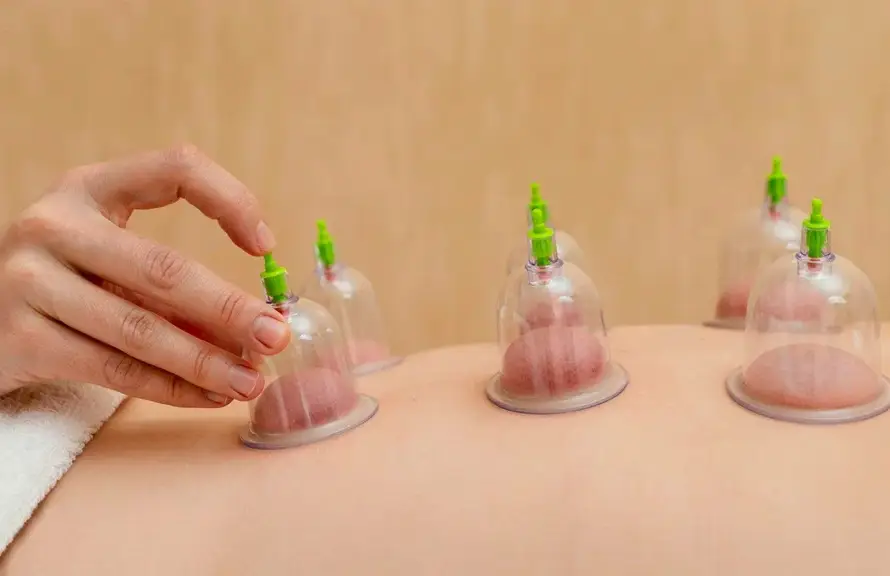
Dry cupping is a non-invasive therapy that uses suction cups placed on the skin to create a vacuum effect, lifting the skin and improving blood flow to targeted areas. No blood is removed during dry cupping.
How Dry Cupping Works
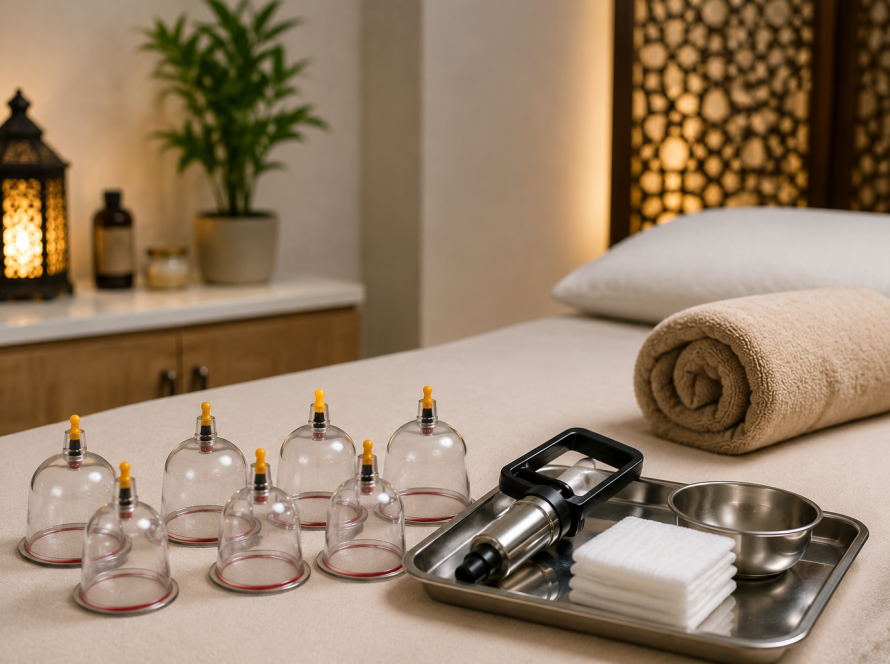
Cups are placed on specific areas of the body. Suction is created using a pump or heat. Cups remain in place for 5–15 minutes to stimulate circulation and relaxation.
Benefits of Dry Cupping
Dry cupping helps improve blood circulation, reduce muscle tension, relieve back, neck, and shoulder pain, support stress relief, and assist in sports recovery. It is suitable for people with mild to moderate muscle discomfort and those new to cupping therapy.
What Is Wet Cupping (Hijama)?
Wet cupping, also known as Hijama, is a therapeutic procedure that combines suction with small, controlled superficial skin incisions to remove a small amount of blood.
How Wet Cupping Works
Cups are placed on targeted points of the body. Light suction is applied. Small sterile incisions are made. The cups are then re-applied to draw out a small amount of blood.
Benefits of Wet Cupping
Wet cupping helps remove stagnant blood, supports detoxification, reduces chronic pain and inflammation, improves circulation, may help with headaches and migraines, and supports immune health. It is often recommended for deeper therapeutic and long-term results.
Key Differences Between Wet Cupping and Dry Cupping
| Feature | Dry Cupping | Wet Cupping (Hijama) |
|---|---|---|
| Blood removal | No | Yes (small amount) |
| Procedure type | Non-invasive | Minimally invasive |
| Purpose | Muscle relaxation | Detox & deeper healing |
| Pain level | Very low | Mild discomfort |
| Recovery time | None | 1–2 days |
| Best for | Stress, muscle tension | Chronic pain, detox |
Which One Should You Choose?
Your choice depends on your health condition and goals. Choose dry cupping if you have muscle stiffness, want relaxation, are new to cupping therapy, or need sports recovery support. Choose wet cupping if you suffer from chronic pain, frequent headaches, fatigue, or want deep detoxification support. In some cases, both treatments may be recommended depending on individual needs.
Is Cupping Therapy Safe?
Yes, both wet and dry cupping are safe when performed by trained professionals. Mild side effects may include temporary skin marks, slight soreness, or light dizziness after wet cupping in rare cases. Proper hygiene and professional assessment ensure safe treatment.
Final Thoughts
Both wet cupping and dry cupping offer effective natural healing benefits. Dry cupping is best for relaxation and muscle relief, while wet cupping (Hijama) is more suitable for detoxification and chronic health issues. The right choice depends on your personal health condition and wellness goals.