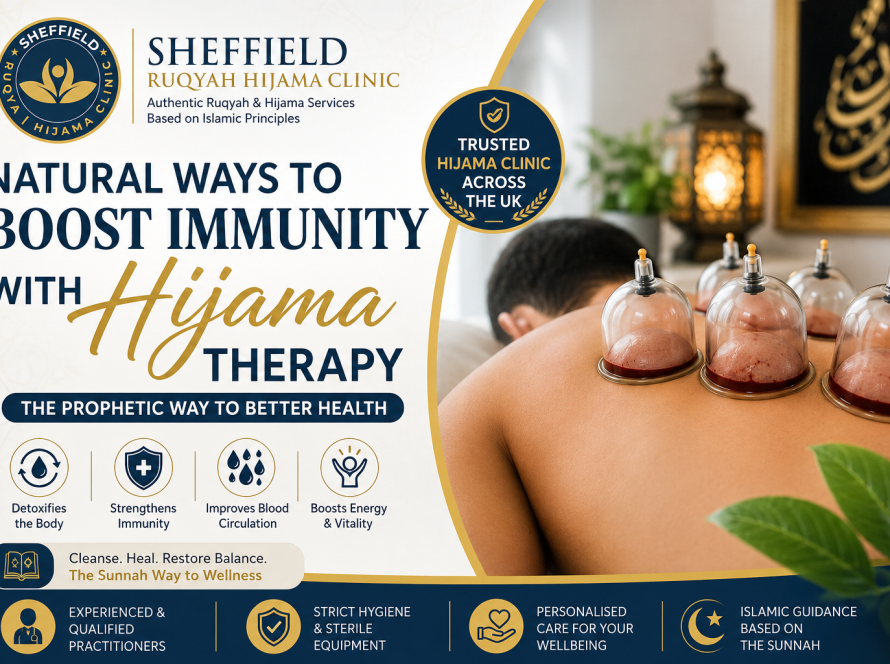
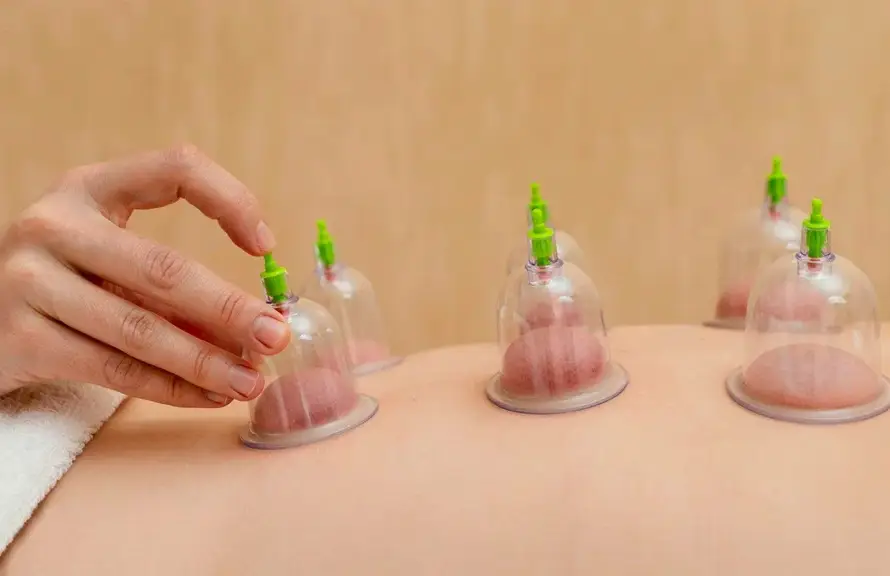
Hijama therapy, also known as wet cupping therapy, is one of the oldest healing methods practiced across different civilizations for centuries. Today, it continues to gain recognition among people seeking natural and holistic approaches to health and wellness. At Sheffield Ruqya Hijama Clinic, we regularly help individuals who are looking for alternative therapies to complement their overall healthcare journey.
Hijama involves the use of specially designed cups that create suction on specific areas of the body. Small superficial incisions are then made to remove stagnant blood and promote circulation. Many people choose Hijama therapy to help relieve pain, improve mobility, reduce stress, and support their body’s natural healing processes.
While Hijama should not replace professional medical treatment, it is widely used as a complementary therapy for a variety of conditions. In this article, Sheffield Ruqya Hijama Clinic explores some of the most common conditions that people seek Hijama therapy for and the potential benefits they may experience.
What Makes Hijama Therapy So Popular?
The popularity of Hijama therapy has grown significantly in recent years due to increasing interest in natural healthcare solutions. Many people are looking for ways to manage discomfort and improve their quality of life without relying solely on medication.
At Sheffield Ruqya Hijama Clinic, clients often choose Hijama because it may help:
- Improve blood circulation
- Reduce muscle tension
- Support detoxification
- Encourage relaxation
- Promote natural healing
- Improve overall well-being
The therapy is also highly valued within Islamic tradition and is regarded as a Sunnah practice, making it a preferred choice for many Muslims seeking both physical and spiritual wellness.
1. Chronic Back Pain
Back pain is one of the most common reasons people visit Sheffield Ruqya Hijama Clinic.
Whether caused by poor posture, long hours of sitting, physical labor, or age-related issues, chronic back pain can significantly affect daily life. Many individuals struggle with persistent discomfort that limits movement and reduces productivity.
Hijama therapy may help by improving circulation in affected muscles and tissues. The suction created by the cups encourages blood flow to the area, which can help relieve tension and support the body’s natural recovery process.
Many clients report feeling greater flexibility and reduced discomfort following their Hijama sessions.
2. Neck and Shoulder Tension
Modern lifestyles often contribute to severe neck and shoulder tension. Hours spent using computers, smartphones, and other devices can place constant strain on these areas.
Common symptoms include:
- Stiffness
- Muscle tightness
- Reduced range of motion
- Persistent discomfort
At Sheffield Ruqya Hijama Clinic, neck and shoulder treatments are among the most requested services. Clients often experience relief as the therapy helps release muscle tension and improves circulation throughout the upper body.
3. Headaches and Migraines
Recurring headaches and migraines can interfere with work, family life, and overall well-being.
Various factors can contribute to headaches, including:
- Stress
- Muscle tension
- Poor sleep
- Eye strain
- Hormonal changes
Hijama therapy is commonly used as part of a broader approach to headache management. By targeting areas around the neck, shoulders, and upper back, practitioners aim to reduce tension that may contribute to headache symptoms.
Many individuals who visit Sheffield Ruqya Hijama Clinic for migraine support report experiencing fewer episodes and improved comfort.
4. Joint Pain and Arthritis
Joint pain affects people of all ages, although it becomes increasingly common as individuals grow older.
Conditions such as arthritis can cause:
- Inflammation
- Stiffness
- Swelling
- Reduced mobility
Hijama therapy is often used to support individuals suffering from joint discomfort. Improved circulation around affected joints may help reduce stiffness and enhance movement.
Many clients seek regular sessions at Sheffield Ruqya Hijama Clinic to help maintain mobility and support an active lifestyle.
5. Sports Injuries and Muscle Recovery
Athletes and active individuals frequently use Hijama therapy to aid recovery following intense physical activity.
Exercise-related problems may include:
- Muscle soreness
- Tight muscles
- Minor strains
- Physical fatigue
Hijama therapy may assist recovery by promoting circulation and reducing muscle tension. This is one reason why cupping therapies have become increasingly popular among professional athletes around the world.
At Sheffield Ruqya Hijama Clinic, physically active clients often incorporate Hijama into their recovery and wellness routines.
6. Stress and Anxiety
Stress has become one of the most widespread health concerns in modern society.
Work demands, family responsibilities, financial pressures, and everyday challenges can negatively affect both mental and physical health.
Many people describe Hijama as deeply relaxing. The treatment environment combined with the therapeutic effects of cupping often creates a sense of calm and balance.
Clients visiting Sheffield Ruqya Hijama Clinic frequently report:
- Reduced stress levels
- Improved mood
- Better relaxation
- Enhanced emotional well-being
7. Fatigue and Low Energy
Persistent fatigue can make even simple daily activities feel difficult.
Low energy levels may result from:
- Poor sleep quality
- Stress
- Busy lifestyles
- Physical exhaustion
Many clients seek Hijama therapy when they feel constantly tired or lacking motivation. Following treatment, individuals often report feeling refreshed, energized, and mentally clearer.
The increased circulation associated with Hijama may contribute to these positive effects.
8. Sciatica
Sciatica occurs when irritation or pressure affects the sciatic nerve, resulting in pain that may travel from the lower back into the legs.
Symptoms often include:
- Sharp pain
- Tingling sensations
- Numbness
- Muscle weakness
At Sheffield Ruqya Hijama Clinic, Hijama therapy is commonly used as a complementary treatment for individuals experiencing sciatic discomfort. By reducing muscular tension around the affected area, some clients find significant relief.
9. Poor Blood Circulation
Healthy blood circulation is essential for delivering oxygen and nutrients throughout the body.
Poor circulation may contribute to:
- Cold hands and feet
- Fatigue
- Muscle cramps
- Slower recovery
Hijama therapy aims to stimulate blood flow and improve circulation in targeted areas. Many individuals report feeling more energetic and comfortable following treatment.
10. Sleep Problems
Sleep plays a vital role in maintaining physical and mental health.
Unfortunately, many people struggle with:
- Difficulty falling asleep
- Frequent waking during the night
- Poor-quality sleep
- Restlessness
Stress, pain, and tension often contribute to sleep disturbances. Because Hijama therapy promotes relaxation and may help relieve physical discomfort, many clients experience better sleep quality after treatment.
Improved sleep often leads to increased energy, better concentration, and improved overall well-being.
11. Muscle Tension and Body Aches
Daily activities, physical labor, and prolonged sitting can all contribute to muscle tightness and body aches.
Commonly affected areas include:
- Back
- Neck
- Shoulders
- Legs
Hijama therapy can help reduce muscular tension and improve flexibility by encouraging blood flow to affected tissues.
At Sheffield Ruqya Hijama Clinic, many clients seek treatment specifically for muscular discomfort and general body aches.
12. General Wellness and Preventive Health
Not everyone who receives Hijama therapy has a specific medical condition.
Many people visit Sheffield Ruqya Hijama Clinic as part of a proactive wellness routine. Regular sessions may help maintain balance within the body and support overall health.
Clients often report:
- Increased relaxation
- Improved circulation
- Better energy levels
- Reduced tension
- Enhanced well-being
For many individuals, Hijama has become an important part of their long-term health and self-care strategy.
Why Choose Sheffield Ruqya Hijama Clinic?
Choosing a qualified practitioner is essential for receiving safe and effective Hijama therapy.
At Sheffield Ruqya Hijama Clinic, we are committed to providing professional treatments in a clean, hygienic, and welcoming environment. Our experienced practitioners use sterile equipment and follow strict hygiene standards to ensure every client’s comfort and safety.
We proudly serve clients throughout Sheffield and surrounding areas, offering personalized treatment plans tailored to individual needs and health goals.
Conclusion
Hijama therapy continues to be one of the most widely used complementary treatments for individuals seeking natural support for pain relief, stress management, improved circulation, and overall wellness. From chronic back pain and migraines to fatigue, muscle tension, and joint discomfort, many people have experienced positive results through regular Hijama sessions.
At Sheffield Ruqya Hijama Clinic, we are dedicated to helping our clients achieve better health through professional Hijama therapy, Ruqya services, and holistic wellness care. If you are interested in discovering how Hijama therapy may benefit you, contact Sheffield Ruqya Hijama Clinic today and take the first step toward improved health and well-being.