In today’s fast-paced world, many people struggle with ongoing stress, persistent fatigue, and chronic pain. These issues can affect every aspect of life, from work performance and physical health to emotional wellbeing and personal relationships. While conventional treatments can provide relief, many individuals are now turning to natural therapies to support their overall health and wellbeing.
One such therapy that has gained increasing popularity is Hijama, also known as wet cupping therapy. Practiced for centuries across different cultures and strongly recommended in Islamic tradition, Hijama is a holistic treatment designed to support the body’s natural healing processes.
But can Hijama really help with stress, fatigue, and chronic pain? Let’s explore how this ancient therapy may contribute to better physical and mental wellbeing.
What Is Hijama Therapy?
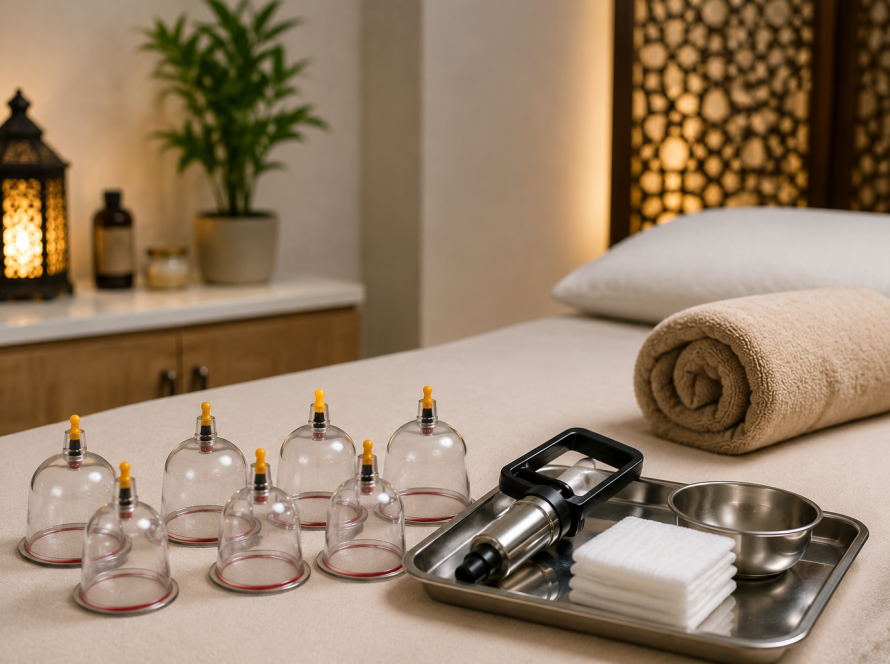
Hijama is a therapeutic procedure that involves placing specialized cups on specific areas of the body to create suction. In wet cupping therapy, small superficial incisions are made after suction is applied, allowing a small amount of blood to be drawn out.
The goal of Hijama is to stimulate circulation, encourage detoxification, and promote the body’s natural healing mechanisms. Many people seek Hijama treatment to address various physical and emotional concerns, including muscle tension, headaches, fatigue, anxiety, and chronic discomfort.
Understanding Stress and Its Impact on the Body
Stress is a normal response to challenging situations. However, when stress becomes chronic, it can negatively impact physical and mental health.
Common symptoms of prolonged stress include:
- Muscle tension
- Headaches
- Poor sleep quality
- Anxiety and irritability
- Reduced concentration
- Digestive issues
- Persistent tiredness
When stress continues for long periods, the body remains in a heightened state of alertness, which may contribute to inflammation, weakened immunity, and ongoing discomfort.
How Hijama May Help Reduce Stress
One of the most commonly reported benefits of Hijama therapy is deep relaxation.
Promotes Relaxation
The suction created during treatment can help release tension in muscles and connective tissues. Many patients describe feeling lighter, calmer, and more relaxed following a session.
Improves Blood Circulation
Enhanced circulation may help deliver oxygen and nutrients more efficiently throughout the body. Improved blood flow can support overall wellbeing and help reduce feelings of physical tension.
Encourages Mental Calmness
Many individuals report experiencing a sense of emotional relief after Hijama. Taking time for therapeutic self-care can contribute to reduced anxiety and improved mental clarity.
Supports Better Sleep
Stress often affects sleep quality. By promoting relaxation and reducing physical tension, Hijama may help individuals enjoy more restful sleep, which is essential for recovery and overall health.
Can Hijama Help with Fatigue?
Fatigue is more than simply feeling tired after a busy day. Persistent fatigue can affect motivation, concentration, productivity, and quality of life.
Common causes of fatigue include:
- Chronic stress
- Poor sleep
- Physical exhaustion
- Nutritional deficiencies
- Ongoing health conditions
Many people seek Hijama therapy when they experience ongoing low energy levels despite adequate rest.
Supporting Natural Energy Levels
Hijama is believed to help stimulate circulation and support the body’s natural detoxification processes. Improved circulation may help oxygen and nutrients reach tissues more effectively, potentially supporting overall energy production.
Enhancing Recovery
For individuals experiencing physical or mental exhaustion, Hijama may assist the body’s recovery processes by promoting relaxation and reducing muscle tension.
Improving Overall Wellbeing
When stress, tension, and discomfort are reduced, many people notice improvements in energy levels and daily functioning.
Although results vary between individuals, many patients report feeling refreshed and revitalized after treatment.
Hijama and Chronic Pain Management
Chronic pain affects millions of people worldwide. Conditions such as back pain, neck pain, migraines, arthritis, and muscle stiffness can significantly impact quality of life.
Many individuals turn to Hijama as part of a broader pain management approach.
Back and Neck Pain
Muscular tension and poor circulation can contribute to chronic back and neck pain. Hijama may help relax tight muscles and improve blood flow to affected areas.
Headaches and Migraines
Many patients seek Hijama treatment for recurring headaches and migraines. Improved circulation and reduced muscle tension may help alleviate some of the contributing factors associated with these conditions.
Joint Discomfort
Some individuals report reduced stiffness and improved mobility following Hijama sessions, particularly when combined with healthy lifestyle practices.
Muscle Recovery
Athletes and active individuals often use cupping therapies to support muscle recovery and reduce soreness after physical activity.
The Holistic Benefits of Hijama
One of the reasons Hijama remains popular today is its holistic approach. Rather than focusing solely on symptoms, Hijama aims to support overall wellbeing.
Potential benefits include:
- Improved circulation
- Reduced muscle tension
- Enhanced relaxation
- Better sleep quality
- Increased sense of wellbeing
- Support for recovery and healing
- Improved physical comfort
Because physical and emotional health are closely connected, addressing stress and tension may have positive effects throughout the body.
What to Expect During a Hijama Session
If you are considering Hijama for the first time, understanding the process can help you feel more comfortable.
A typical session includes:
Consultation
A qualified practitioner discusses your health concerns, medical history, and treatment goals.
Application of Cups
Specialized cups are placed on selected points of the body to create gentle suction.
Wet Cupping Procedure
Small superficial incisions are made in specific areas before cups are reapplied to draw a small amount of blood.
Aftercare Advice
Patients receive guidance on hydration, rest, and post-treatment care to maximize benefits.
Most sessions are completed within 30 to 60 minutes.
Is Hijama Safe?
When performed by trained and certified practitioners using proper hygiene standards, Hijama is generally considered safe.
At Sheffield Hijama Clinic, strict hygiene protocols are followed, including:
- Single-use sterile equipment
- Professional treatment procedures
- Clean clinical environment
- Qualified practitioners
Choosing an experienced clinic is essential to ensure safe and effective treatment.
Who May Benefit from Hijama?
Hijama may be considered by individuals experiencing:
- Chronic stress
- Low energy levels
- Muscle tension
- Back pain
- Neck pain
- Headaches
- General wellbeing concerns
- Physical fatigue
However, Hijama may not be suitable for everyone. A professional consultation is important before treatment.
Final Thoughts
Stress, fatigue, and chronic pain can significantly affect daily life, but many people are exploring natural therapies to complement their health and wellness routines. Hijama therapy has been practiced for centuries and continues to be valued for its potential to promote relaxation, improve circulation, and support overall wellbeing.
While individual experiences vary, many patients report feeling more relaxed, energized, and physically comfortable following treatment. If you are interested in learning whether Hijama may be suitable for your needs, consulting with an experienced practitioner is the best place to start.
At Sheffield Hijama Clinic, we are committed to providing safe, professional, and hygienic Hijama therapy tailored to your individual health goals. Contact our team today to book your consultation and begin your journey toward improved wellbeing.