For centuries, people around the world have relied on natural therapies to support their health and well-being. Among these traditional treatments, Hijama therapy, also known as wet cupping therapy, remains one of the most respected methods in Islamic and holistic medicine. Today, thousands of people across the UK choose Hijama not only for its religious significance but also for its potential to improve overall wellness when performed by trained professionals.
At Ruqyah Hijama Clinic, we provide professional Hijama therapy in a clean, safe, and comfortable environment, following both traditional principles and modern hygiene standards. The clinic also offers Ruqyah services and massage therapy for those seeking holistic care.
What Is Hijama Therapy?
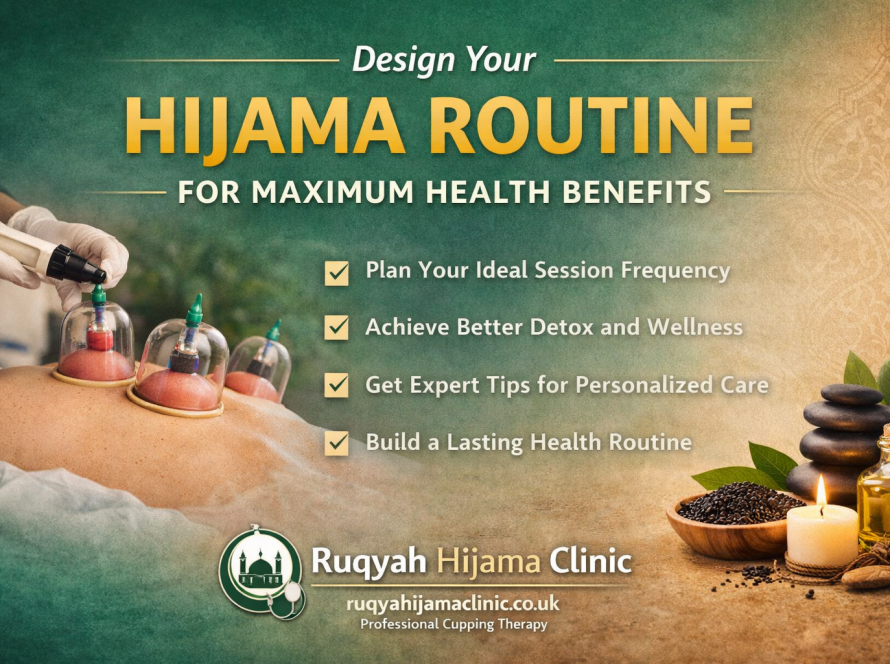
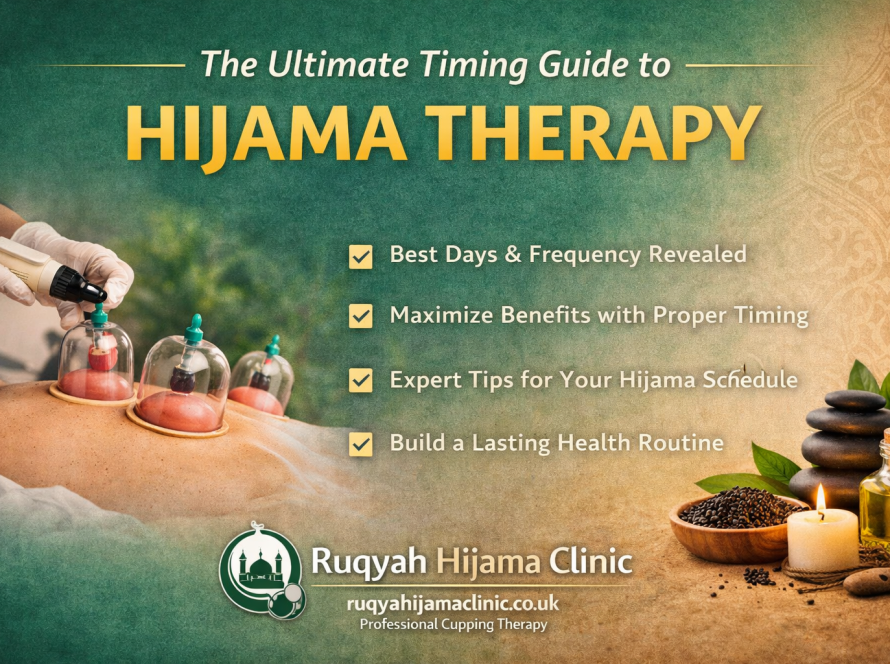
Hijama is a traditional therapy that involves placing special cups on selected areas of the body to create suction. During wet cupping, tiny superficial skin incisions are made after the initial suction to remove a small amount of blood.
The practice has been used for generations in various cultures and is especially valued within Islamic tradition. Many Muslims choose Hijama as part of Prophetic medicine while also seeking advice from qualified healthcare professionals for medical concerns.
Modern Hijama practitioners combine traditional knowledge with strict hygiene procedures, including disposable equipment, sterilized instruments, and carefully selected treatment points.
The History of Hijama
Hijama is one of the oldest healing techniques known to humanity. Historical records show that forms of cupping therapy were practiced in Ancient Egypt, China, Greece, and the Middle East.
In Islamic tradition, Hijama gained special importance through authentic narrations describing it as a beneficial treatment. Today, many Muslims continue this Sunnah while ensuring treatment is carried out safely by qualified practitioners.
How Does Hijama Therapy Work?
During a typical Hijama session, the practitioner follows several carefully controlled steps.
- Consultation to understand your health history
- Identification of appropriate treatment points
- Sterilization of the treatment area
- Application of suction cups
- Small superficial skin incisions
- Second suction to remove a small amount of blood
- Cleaning and dressing the treated area
- Post-treatment care advice
The entire procedure is designed to prioritize patient comfort, cleanliness, and safety.
Potential Benefits of Hijama Therapy
Many people report feeling refreshed and relaxed after Hijama therapy. While scientific evidence varies depending on the condition being studied, some individuals seek Hijama for general well-being or symptom relief alongside conventional medical care.
Common reasons people choose Hijama include:
Supporting Blood Circulation
The suction created during cupping may temporarily increase blood flow to the treated area, which some people believe contributes to muscle relaxation and recovery.
Muscle Tension Relief
Individuals with tight shoulders, neck discomfort, or muscle stiffness often seek Hijama as part of their overall wellness routine.
Relaxation and Stress Reduction
Many clients describe feeling calmer and more relaxed following a professional Hijama session.
Supporting Recovery
Some physically active individuals use Hijama as part of their recovery program after exercise or sports activities.
Following the Sunnah
For many Muslims, Hijama is also performed as an act of following the Prophetic tradition while maintaining realistic expectations about its health effects.
Conditions People Commonly Seek Hijama For
Although research is still evolving and Hijama should not replace medical treatment, people commonly seek therapy for:
- Back pain
- Neck pain
- Shoulder discomfort
- Muscle stiffness
- Sports recovery
- Headaches
- General wellness
- Stress management
- Fatigue
Anyone experiencing persistent or severe symptoms should consult a qualified healthcare professional.
What Happens During Your First Appointment?
If you are new to Hijama, your first visit usually begins with a detailed consultation.
Your practitioner will discuss:
- Your medical history
- Current medications
- Previous treatments
- Lifestyle factors
- Your treatment goals
This helps determine whether Hijama is suitable for your individual circumstances.
Is Hijama Safe?
When performed by trained practitioners using sterile, single-use equipment, Hijama is generally considered a safe procedure for suitable candidates.
Professional clinics follow strict infection control measures, including:
- Disposable cups where appropriate
- Sterile blades
- Medical-grade disinfectants
- Gloves and protective equipment
- Proper waste disposal
- Thorough aftercare instructions
Choosing an experienced practitioner is essential for your safety.
Who Should Avoid Hijama?
Hijama may not be appropriate for everyone.
You should always speak with your healthcare provider before treatment if you:
- Have a bleeding disorder
- Take blood-thinning medication
- Have severe anemia
- Have active skin infections
- Are pregnant, unless advised otherwise by your healthcare provider
- Have serious medical conditions requiring specialist care
A responsible practitioner will assess your suitability before beginning treatment.
How to Prepare for Hijama
Preparing properly can help make your session more comfortable.
Helpful tips include:
- Stay hydrated before your appointment.
- Eat a light meal unless advised otherwise.
- Wear loose-fitting clothing.
- Inform your practitioner about medications and medical conditions.
- Follow any pre-treatment instructions provided by the clinic.
Aftercare Tips
Following your session, proper aftercare supports recovery.
Most practitioners recommend:
- Drinking plenty of water
- Avoiding strenuous exercise for 24 hours
- Keeping treated areas clean
- Following any wound care instructions
- Eating nutritious meals
- Resting if you feel tired
Small marks or mild soreness usually fade over several days.
Why Choose a Professional Hijama Clinic?
Professional standards make a significant difference in both safety and patient experience.
A reputable clinic offers:
- Qualified practitioners
- Hygienic treatment rooms
- Sterile equipment
- Individual consultations
- Clear aftercare guidance
- Confidential service
- Respectful and compassionate care
At Ruqyah Hijama Clinic, treatments are delivered with a strong focus on patient safety, professionalism, and adherence to Islamic principles where appropriate.
Combining Hijama with a Healthy Lifestyle
Hijama works best as part of a balanced approach to health rather than a replacement for evidence-based medical care.
Healthy habits include:
- Eating nutritious foods
- Staying physically active
- Getting enough sleep
- Managing stress
- Drinking sufficient water
- Following your healthcare provider’s recommendations
Many people view Hijama as one element of their overall wellness routine.
Frequently Asked Questions
Does Hijama Hurt?
Most people experience only mild discomfort. The sensation is generally brief, and many clients find the procedure easier than expected.
How Long Does a Session Take?
Most appointments last between 30 and 60 minutes, depending on the treatment plan.
How Often Should Hijama Be Performed?
The frequency varies based on individual needs, overall health, and practitioner recommendations.
Can Anyone Have Hijama?
Not everyone is a suitable candidate. A consultation helps determine whether treatment is appropriate.
Should Hijama Replace Medical Treatment?
No. Hijama should complement, not replace, professional medical advice and treatment. Always consult your doctor for diagnosis or management of medical conditions.
Final Thoughts
Hijama therapy continues to be a respected traditional practice that many people incorporate into their wellness journey. Whether your goal is relaxation, following the Sunnah, supporting recovery, or exploring complementary therapies, choosing a qualified and experienced practitioner is essential.
At Ruqyah Hijama Clinic, every session is carried out with professionalism, compassion, and strict hygiene standards to help patients feel comfortable and supported throughout their treatment journey. By combining traditional healing principles with modern clinical practices, the clinic provides a trusted environment for those seeking safe and professional Hijama therapy in the UK.