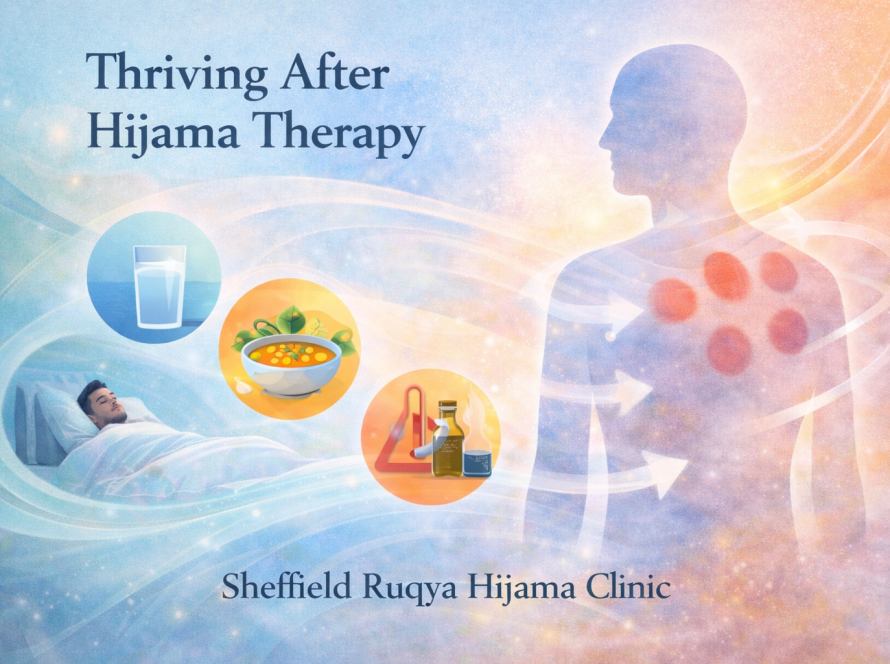
Hijama, or cupping therapy, is an ancient method known for detoxifying the body, relieving pain, and improving overall wellness. While many people focus solely on the therapy session, the recovery process and aftercare are just as important. At Sheffield Ruqya Hijama Clinic, we’ve noticed that clients who follow proper recovery steps achieve long-lasting results and greater health benefits. This guide uncovers the untold truth about Hijama recovery and how it supports total wellness.
Why Hijama Recovery Is Often Overlooked
Most people think that Hijama’s benefits end when the session finishes. In reality, the body continues to detoxify and heal for hours and even days afterward. Ignoring proper aftercare can slow down healing, cause prolonged soreness or discomfort, and reduce the therapy’s effectiveness. Understanding how your body responds after Hijama is the first step toward maximizing wellness.
Key Factors for Effective Hijama Recovery
Rest and Relaxation
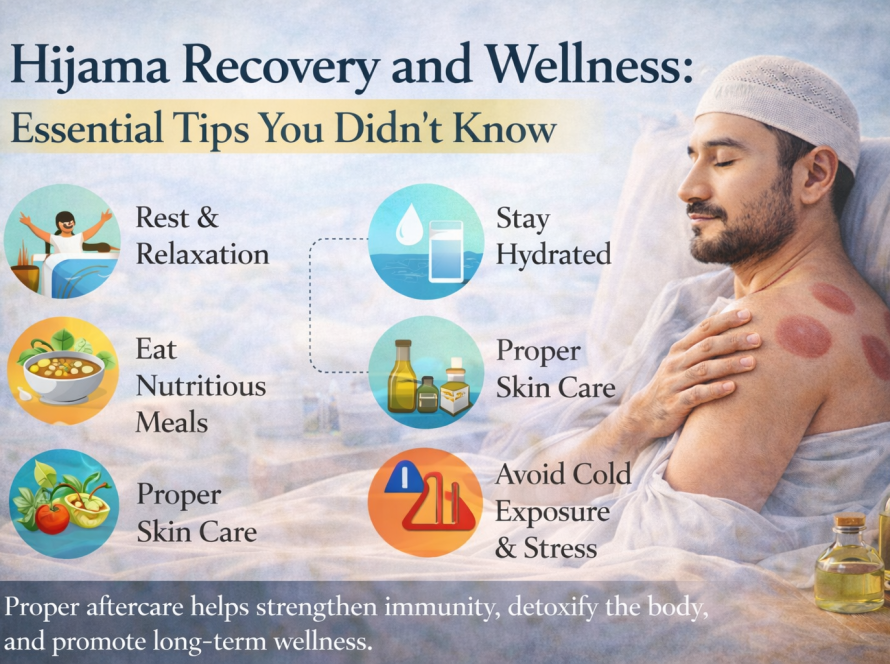
After a Hijama session, your body needs time to recuperate. Avoid strenuous activity for at least 24 hours, and focus on gentle stretching or deep breathing exercises to support circulation.
Stay Hydrated
Water is critical for flushing out toxins released during Hijama. Drink plenty of warm water or herbal teas to help your body cleanse naturally.
Mind Your Diet
Light, nutritious meals improve recovery. Foods such as fresh fruits, vegetables, soups, and dates nourish your body and enhance detoxification. Avoid processed foods, caffeine, or heavy meals immediately after Hijama.
Proper Skin Care
Cupping marks are normal and usually fade within 7–14 days. Keep the area clean and moisturized using natural oils like olive or black seed oil. Avoid scratching or applying harsh products.
Avoid Cold and Stress
Exposure to cold showers, icy drinks, or stressful situations can slow recovery. Create a calm, warm environment to let your body heal efficiently.
What Many People Don’t Realize
The “untold truth” is that Hijama’s wellness benefits continue long after the session. Improved circulation, reduced pain, and better energy levels are amplified when recovery habits are followed consistently. Proper aftercare can strengthen immunity, enhance mental clarity, and promote long-term pain relief.
How Often Should You Practice Hijama for Optimal Wellness?
While some people visit monthly, others benefit from tailored schedules based on individual health needs. Consulting with certified practitioners ensures that sessions and recovery periods align with your wellness goals.
Final Thoughts
Hijama is more than just a therapy session—it’s a journey toward holistic wellness. The untold truth is that recovery, hydration, nutrition, and lifestyle adjustments determine how much benefit you gain. By following these principles, clients at Sheffield Ruqya Hijama Clinic enjoy faster healing, lasting wellness, and a deeper sense of balance. If you’re ready to experience the true power of Hijama therapy, book a session today and discover how proper recovery can transform your health.