Modern life places continuous pressure on both the body and the mind. Physical pain, emotional stress, and spiritual fatigue often exist together, yet many treatment approaches address them separately. A truly effective wellness strategy considers all three dimensions. At Sheffield Ruqya Hijama Clinic, we focus on an integrated model that supports physical recovery while strengthening emotional resilience and spiritual clarity.
Understanding the Connection Between Pain and Stress
Pain is not always purely physical. Chronic back pain, headaches, muscle tightness, and fatigue are frequently intensified by stress. When stress levels rise, muscles contract and remain tense, sleep quality declines, inflammation may increase, and the immune system weakens. Over time, unresolved stress can turn minor discomfort into persistent pain. Addressing stress alongside physical symptoms improves overall outcomes.
Physical Therapies That Support Recovery
Targeted physical treatments help restore balance within the body. For example, Hijama therapy stimulates circulation and may assist detoxification, while therapeutic massage reduces muscular tension and promotes relaxation. These methods aim to improve blood flow, reduce stiffness, encourage cellular repair, and support natural detox pathways. When physical tension decreases, stress levels often decline as well.
The Role of Spiritual Health
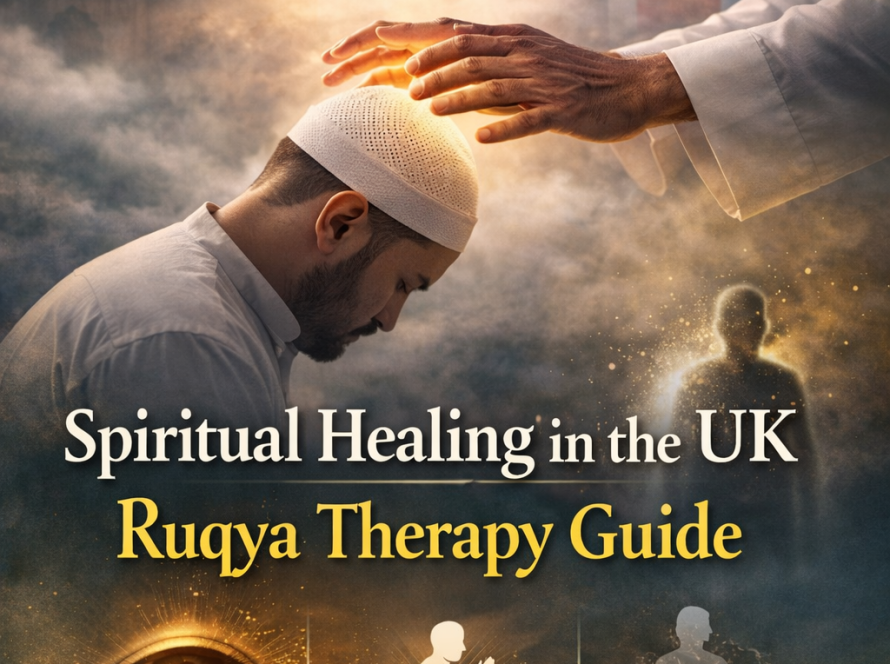
Spiritual health is not limited to religious practice, it includes inner peace, emotional grounding, and mental clarity. For many individuals, practices such as Ruqya provide reassurance and psychological comfort, helping reduce anxiety and restore emotional balance. Spiritual wellbeing contributes to lower cortisol levels, improved sleep, greater emotional control, and enhanced resilience during challenges. A calm mind allows the body to heal more effectively.
Why a Balanced Approach Works
Treating pain without addressing stress may bring temporary relief. Managing stress without resolving physical discomfort can leave symptoms unresolved. A balanced approach ensures that the body is treated directly, emotional triggers are reduced, and spiritual wellbeing strengthens inner stability. This integration creates longer-lasting results rather than short-term symptom control.
Practical Steps Toward Balanced Wellness
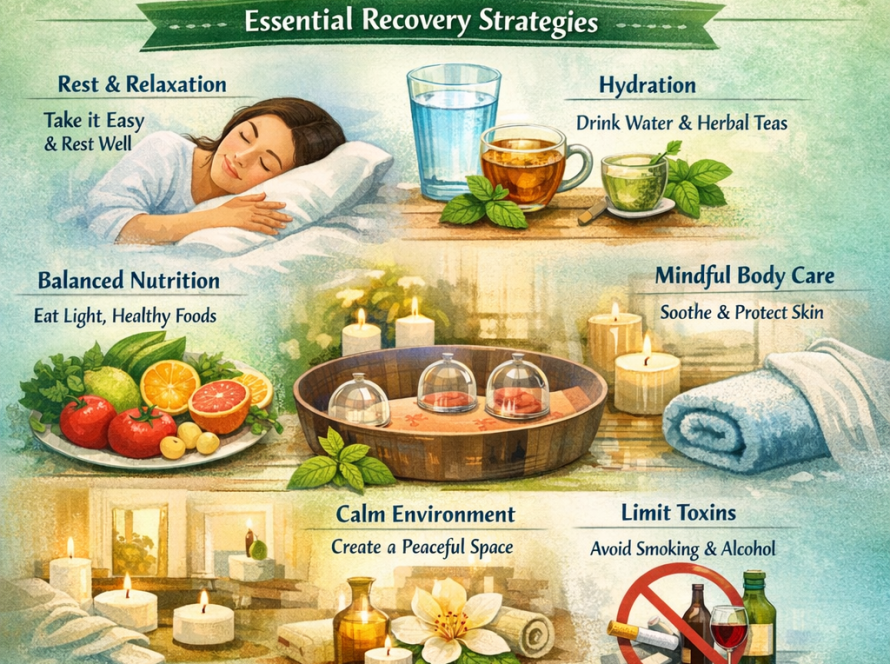
To maintain harmony between pain relief, stress management, and spiritual health, schedule regular physical therapy sessions when needed, practice daily stress-reduction techniques, maintain consistent spiritual reflection or mindfulness, prioritize hydration and balanced nutrition, and ensure adequate rest and recovery. Consistency in small habits leads to sustainable improvement.
Long-Term Benefits of Integrated Care
Individuals who adopt a balanced healing model often report reduced chronic pain, improved mental clarity, better sleep quality, stronger immune function, and greater emotional stability. Rather than chasing isolated solutions, this approach supports the whole person.
Final Thoughts
Pain, stress, and spiritual wellbeing are deeply interconnected. Ignoring one can weaken progress in another. A balanced approach, combining professional physical care with stress management and spiritual support, offers a sustainable path toward improved health. By focusing on integrated wellness, individuals can experience not only relief but also renewed strength, clarity, and long-term stability.