Pain can affect every part of daily life. Whether it is back pain, neck stiffness, headaches, muscle soreness, or joint discomfort, many people search for natural ways to manage pain without relying heavily on medication. One traditional therapy that continues to grow in popularity is Hijama therapy, also known as wet cupping therapy.
Hijama is a holistic treatment used to support circulation, relaxation, muscle recovery, and overall wellness. Many people choose this therapy because it combines natural healing methods with traditional wellness practices that have been used for centuries.
At Sheffield Ruqya Hijama Clinic, professional Hijama therapy is provided in a clean, safe, and hygienic environment focused on client wellbeing and comfort.
What Is Hijama Therapy?
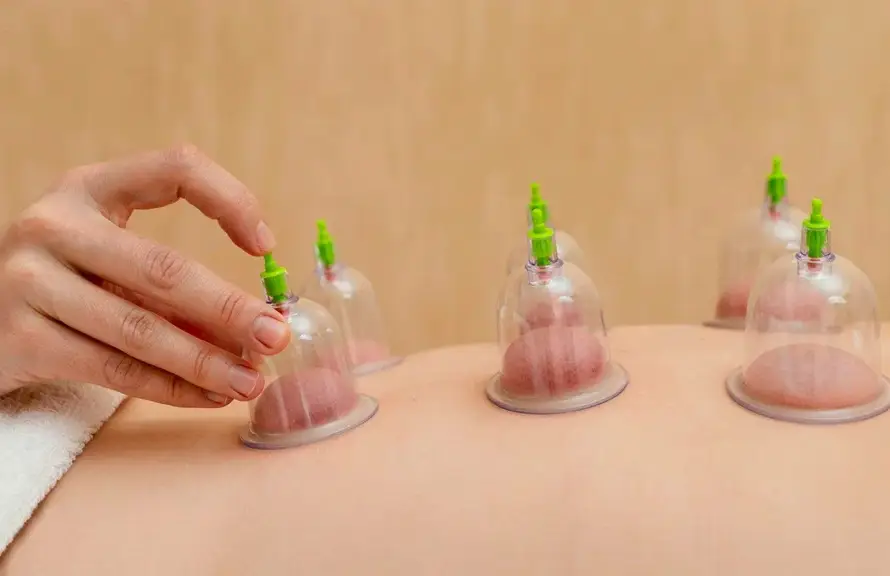
Hijama therapy, also known as wet cupping therapy, is a traditional treatment that involves placing cups on specific areas of the body to create gentle suction. Small superficial incisions are then made to help remove stagnant blood and support circulation.
The therapy is commonly used as part of a natural wellness routine to help:
- Reduce muscle tension
- Improve circulation
- Promote relaxation
- Support recovery
- Encourage overall wellbeing
Hijama has been practiced in many cultures for centuries and remains one of the most recognized forms of traditional therapy today.
How Hijama Helps With Natural Pain Relief
Improves Blood Circulation
One of the main reasons people choose Hijama therapy is its ability to support healthy blood circulation. Better circulation helps deliver oxygen and nutrients throughout the body, which may help muscles and tissues recover more effectively.
Improved circulation may help support:
- Muscle recovery
- Reduced stiffness
- Relaxation
- Physical comfort
- Better mobility
Many clients report feeling refreshed and lighter after treatment sessions.
Helps Reduce Muscle Tension
Modern lifestyles can place stress on the body. Long working hours, poor posture, physical strain, and stress can all contribute to muscle tightness and discomfort.
Hijama therapy may help reduce tension by:
- Relaxing tight muscles
- Encouraging blood flow
- Supporting natural recovery
- Helping reduce pressure in affected areas
This makes Hijama a popular option for people dealing with everyday aches and muscle fatigue.
Supports the Body’s Natural Healing Process
The body naturally works to repair and restore itself. Hijama therapy is believed to support this natural process by encouraging circulation and helping remove stagnant blood from targeted areas.
Many people include Hijama as part of a healthy lifestyle focused on:
- Natural wellness
- Stress management
- Physical recovery
- Holistic healing
- Preventative care
Common Conditions People Use Hijama For
Hijama therapy is commonly used to support relief from a variety of pain-related conditions and physical discomfort.
Back Pain
Back pain is one of the most common reasons people seek Hijama therapy. Tight muscles and tension in the back can affect movement and comfort.
Neck and Shoulder Tension
Poor posture and stress can lead to stiffness in the neck and shoulders. Hijama may help support relaxation in these areas.
Headaches and Migraines
Some individuals choose Hijama therapy to help manage tension-related headaches and migraines.
Joint Discomfort
Hijama is often used alongside healthy lifestyle habits to support mobility and joint comfort.
Sports Recovery
Athletes and physically active individuals may use Hijama therapy to support muscle recovery after exercise and physical activity.
The Islamic Significance of Hijama
Hijama holds importance in Islamic tradition and is considered a Sunnah practice. Many Muslims choose Hijama not only for physical wellness but also for spiritual and holistic wellbeing.
For many people, Hijama combines:
- Physical healing
- Preventative care
- Spiritual wellbeing
- Sunnah lifestyle practices
What Happens During a Hijama Session?
If you are new to Hijama therapy, understanding the process can help you feel more comfortable before your appointment.
A typical Hijama session may include:
- Consultation and discussion about health concerns
- Cleaning and preparing treatment areas
- Placement of cups on specific points of the body
- Gentle suction using professional equipment
- Small superficial incisions
- Removal of stagnant blood
- Cleaning and aftercare guidance
Professional hygiene and safety procedures are essential during every session.
Is Hijama Therapy Safe?
Hijama therapy is generally considered safe when carried out by trained and experienced practitioners using sterile equipment and hygienic procedures.
At Sheffield Ruqya Hijama Clinic, treatments are performed with a strong focus on:
- Safety
- Hygiene
- Client comfort
- Professional care
However, Hijama may not be suitable for everyone. Individuals with certain health conditions should seek professional medical advice before beginning treatment.
Benefits of Professional Hijama Therapy
Choosing a professional clinic for Hijama therapy is important for both safety and effectiveness.
A professional Hijama clinic can provide:
- Hygienic treatment rooms
- Sterile equipment
- Trained practitioners
- Proper aftercare advice
- Safe treatment methods
- Personalized care
Professional treatment helps ensure clients receive quality care in a safe environment.
Why Natural Wellness Therapies Are Growing in Popularity
Many people today are becoming more interested in natural and holistic approaches to health and wellbeing. Therapies like Hijama are increasingly popular because they focus on supporting the body naturally rather than simply masking symptoms.
People often seek Hijama therapy for:
- Relaxation
- Stress relief
- Muscle recovery
- Natural wellness support
- Holistic care
As awareness of traditional wellness practices continues to grow, more individuals are exploring therapies that support both physical and mental wellbeing.