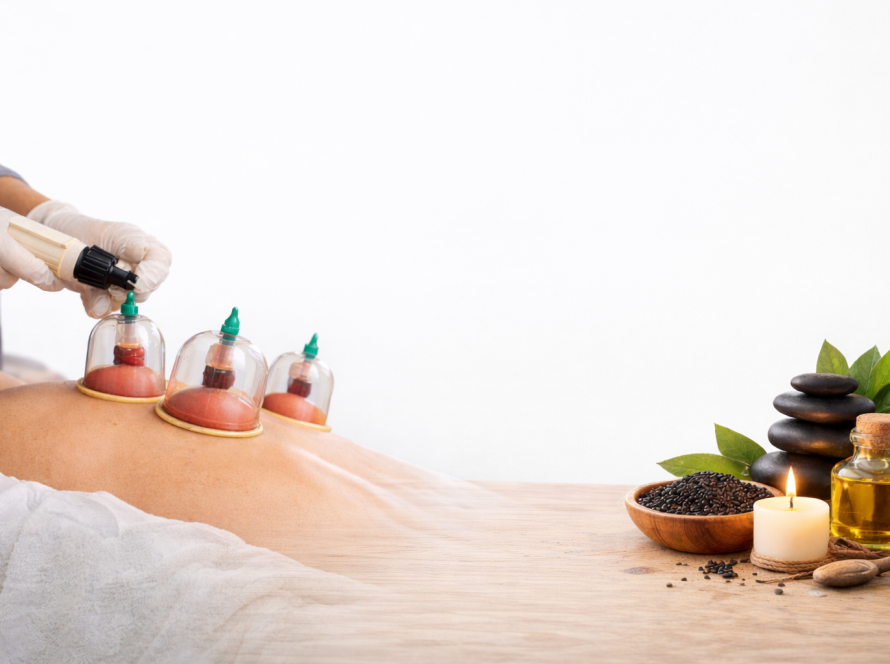
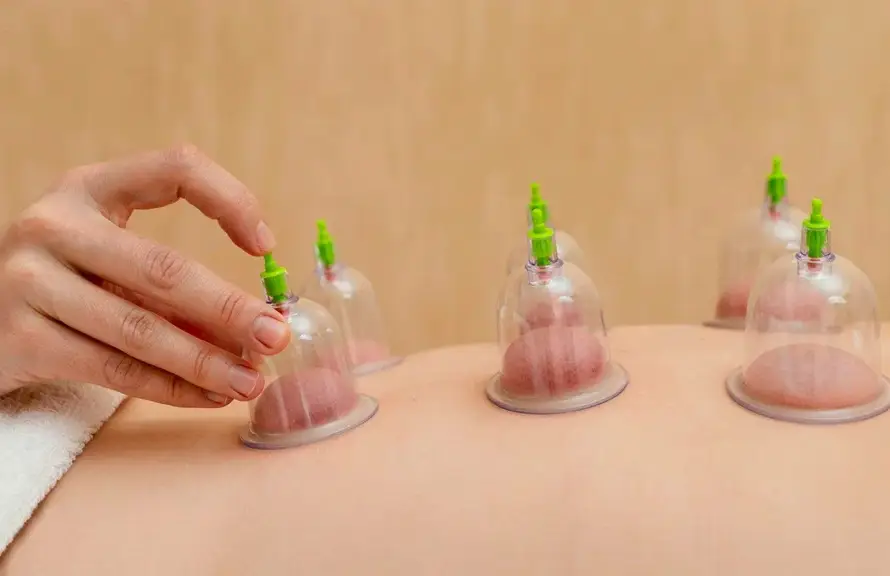
Hijama, also known as cupping therapy, is a traditional healing method designed to detoxify the body, relieve pain, and improve overall wellness. While the therapy itself provides immediate benefits, your post-session care plays a crucial role in determining how much you truly gain from the session. At Sheffield Ruqya Hijama Clinic, we’ve seen that clients who follow proper aftercare protocols not only heal faster but also enjoy long-lasting wellness, improved energy, and reduced pain. This guide will walk you through everything you need to know to thrive after your Hijama session.
Why Post-Hijama Care Is Essential
After Hijama, your body undergoes a detoxification and healing process. Neglecting proper aftercare can lead to prolonged soreness or fatigue, slower healing of cupping marks, and reduced effectiveness of the therapy. Understanding what your body needs after Hijama ensures you maximize both the immediate and long-term benefits.
Essential Steps to Thrive After Hijama
Prioritize Rest
Give your body at least 24 hours to rest. Avoid heavy exercise or strenuous activities and focus on gentle movements or stretching to enhance circulation and recovery.
Hydrate Frequently
Drinking plenty of water and warm herbal teas helps flush out toxins released during the session, supporting faster recovery and detoxification.
Eat Light and Nourishing Meals
Consume easily digestible, nutrient-rich foods like fruits, vegetables, soups, and dates. Avoid processed foods, caffeine, and heavy meals immediately after your session to prevent stress on your body.
Care for Your Skin
Cupping marks are normal and usually fade within 7–14 days. Apply natural oils like olive or black seed oil to soothe the skin and aid healing. Avoid scratching or using harsh soaps on the area.
Maintain a Warm and Calm Environment
Avoid cold showers, icy drinks, or stressful conditions. A warm, relaxed environment allows your body to recover optimally.
Limit Harmful Substances
Smoking, alcohol, and other toxins slow down healing. Limiting these after a session helps your body detoxify and respond better to the therapy.
How Proper Recovery Enhances Wellness
Following these aftercare practices can strengthen immunity, improve energy levels, reduce pain and tension, and enhance circulation and detoxification. Proper recovery transforms a Hijama session from a one-time treatment into a long-term wellness practice.
When to Schedule Your Next Session
The frequency of Hijama therapy depends on individual health needs. Some clients benefit from monthly sessions, while others require tailored schedules. Consulting a certified practitioner ensures your sessions and recovery plan are aligned with your wellness goals.
Final Thoughts
Thriving after Hijama therapy isn’t just about the session itself—it’s about how you care for your body afterward. With proper rest, hydration, nutrition, and skin care, clients at Sheffield Ruqya Hijama Clinic experience faster healing, enhanced wellness, and lasting results. Follow these aftercare steps and transform your Hijama therapy into a holistic journey of health and vitality.